
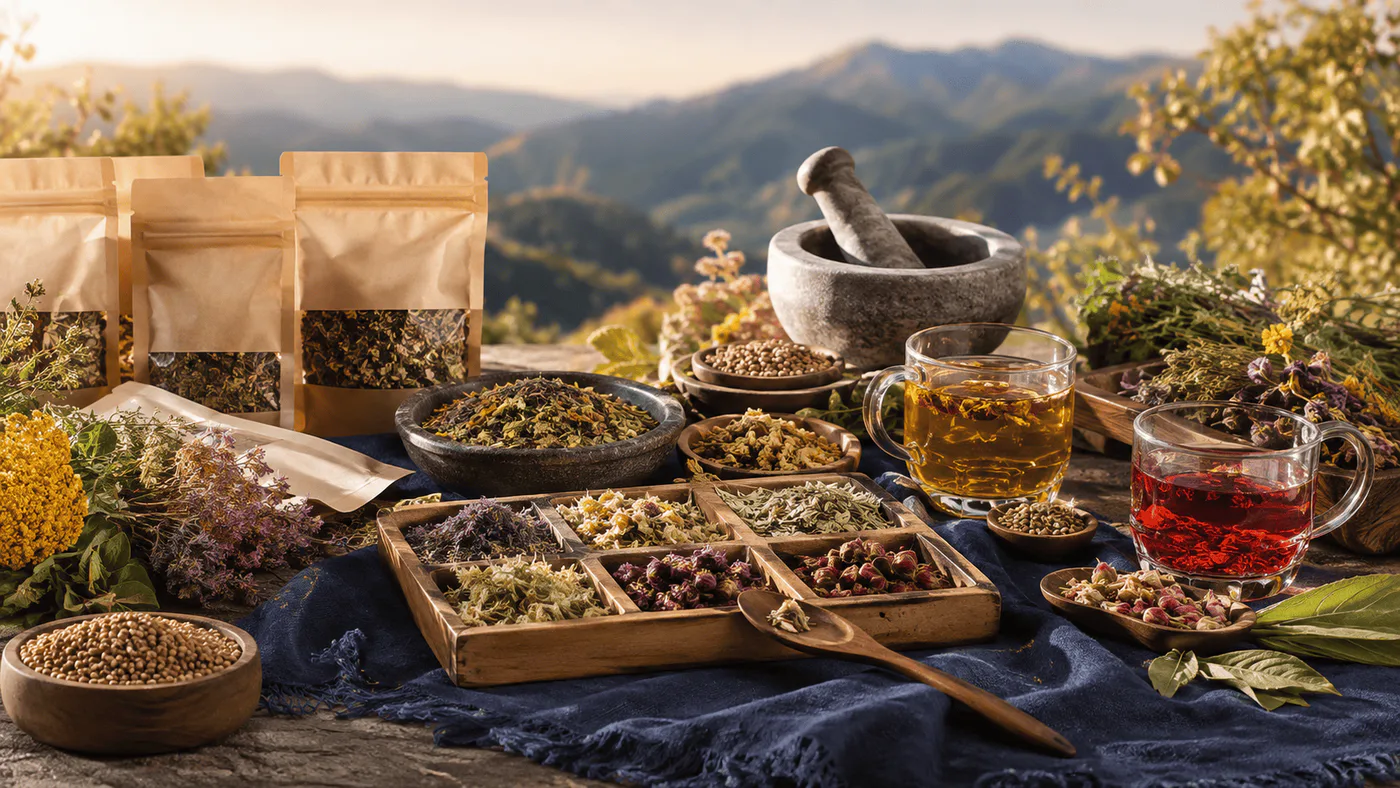
Write a botanical specification before tasting
Name the common and scientific identity where appropriate, plant part, whole or cut form, particle size, permitted blend, origin, cultivated or wild-collected status, harvest period, drying method, color, aroma, flavor, moisture, foreign matter, packaging, shelf life, and intended market. Avoid assuming that one local name always identifies one species. For extracts, oils, supplements, or medicinal positioning, additional specialist and regulatory review is essential.
Evaluate safety and handling
Discuss pesticide controls, allergens and cross-contact, microorganisms, mycotoxins where relevant, heavy metals, foreign matter, cleaning, food-contact packaging, traceability, pest control, warehouse conditions, and laboratory methods. Test requirements depend on the plant, use, destination, and buyer risk assessment. Confirm who samples the lot, which laboratory is used, and how an out-of-specification result is handled.
Taste for both character and consistency
Build a repeatable preparation method: sample weight, water, temperature, infusion time, vessel, and evaluation form. Compare production lots, not only a hand-selected presentation sample. Record aroma, flavor, color, texture, aftertaste, and visible variation. Agree acceptable natural differences and unacceptable defects. Keep a sealed control sample when it helps resolve later questions.
Plan supply around nature without romanticizing it
Harvest timing, weather, collection area, labor, drying capacity, and storage can affect volume and profile. Ask which quantities are already secured, which depend on the coming season, and what happens when a plant is scarce. Evaluate ethical and legal collection, resource protection, grower relationships, and alternatives. A reliable supplier explains variability early instead of promising unlimited identical material.
Questions buyers and suppliers often ask
Are wild-collected herbs always better?
No. Wild collection may offer distinctive material but also raises identification, contamination, legality, sustainability, and repeatability questions.
Should buyers accept natural variation?
Some variation is normal. Define a sensory and technical range, then separate natural character from contamination, damage, or process failure.
Can herbal tea be marketed with health claims?
Claims are market- and product-specific. Obtain qualified regulatory and legal review before using medicinal or health wording.